Ancient Oracles
For thousands of years, people facing a hard choice asked the gods.
They threw dice or knucklebones, drew a lot from a jar, or shook a numbered stick from a box, and read the answer the god had chosen. These were everyday oracles, open to anyone for the price of a small gift, and their answers survive on stone, papyrus and birch bark, and in books copied by monks and scribes.
Every oracle here is real. The translations are our own, and each page tells you where its words come from and how we know.
Think of your question, and choose an oracle.
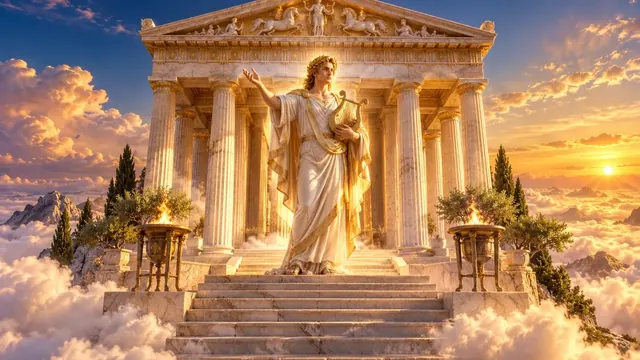
The Homer Oracle
Three throws of a die choose one of 216 lines of Homer as your answer, from a magical papyrus of the 3rd century AD.
Consult the oracle →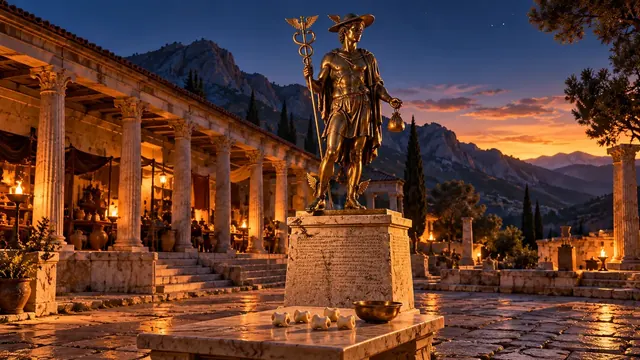
The Sacred Oracle of Hermes
Five knucklebones, 56 answers carved on a stone pillar beside a statue of Hermes in the market of Kibyra, each spoken by a god.
Consult the oracle →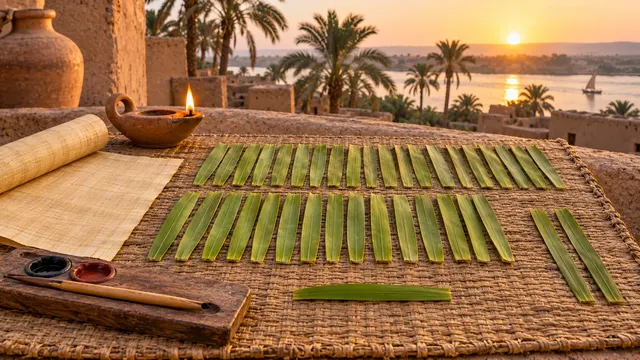
The Palm-Leaf Oracle
29 palm leaves, each with a god's name. Lift them away two by two, as Hermes and Isis did, and read the last.
Consult the oracle →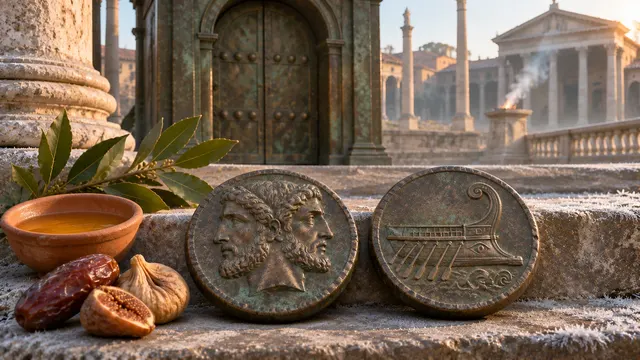
The Coin of Janus
Bring the god of doors a sweet gift, say the old prayer, and toss his bronze coin three times: heads or ships.
Consult the oracle →
The Alphabet Oracle
Draw a lettered pebble from the urn: 24 answers carved on stone, one for each letter of the Greek alphabet.
Consult the oracle →
The Twenty-Sided Die
A limestone die with a god's name on each of its twenty faces. Throw it and meet the god who may help you.
Consult the oracle →
The Lots of the Saints
Three dice and a little Latin book of 56 answers, banned by bishops and copied by monks: the Sortes Sanctorum.
Consult the oracle →
The Gospel Lots
Short numbered answers written in the margins of the Gospel of John. Throw one die three times and read what the scribe wrote at your number.
Consult the oracle →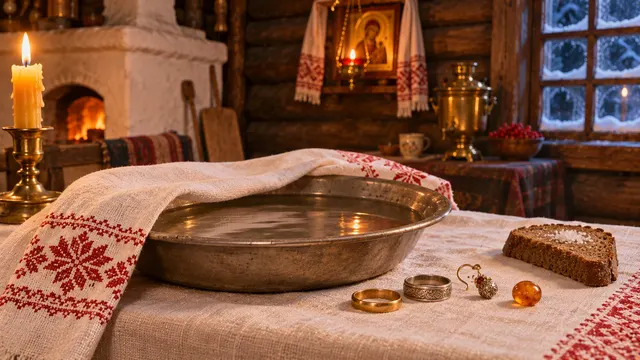
The Dish Songs
Podblyudnye pesni: drop your ring into a dish of water under an embroidered cloth, sing the old songs, and when your ring is drawn out, the song just sung is your fortune.
Consult the oracle →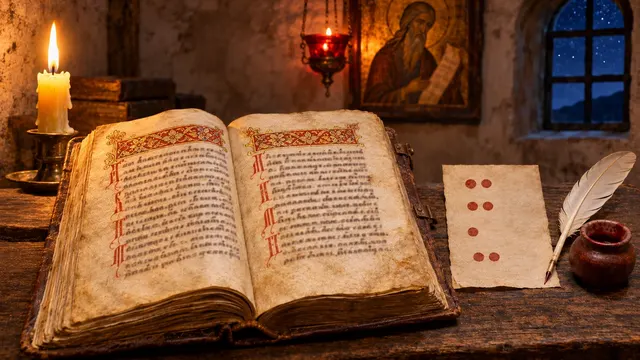
Samuel's Sixteen Figures
Open the Psalter at random and take the first letter of four lines. Odd letters make one dot, even letters two, and the dots build one of sixteen figures revealed, it was said, to the prophet Samuel.
Consult the oracle →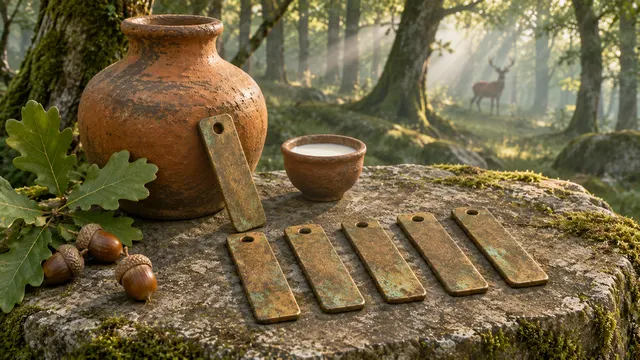
The Bronze Lots
Draw one of 17 little bronze plaques from the jar, each with a one-line answer in old Latin, some kind, some blunt, some cheeky.
Consult the oracle →Oracles of the Middle East
From Baghdad and Mosul to Cairo and the deserts of Darfur, diviners pressed their questions into the sand. Their science travelled west into Europe and south across Africa.

The Science of the Sand
ʿIlm al-raml: flip four blocks, or tap the sand, to make four figures of dots. They build a chart of sixteen houses, and the Judge of the sand gives the answer.
Consult the oracle →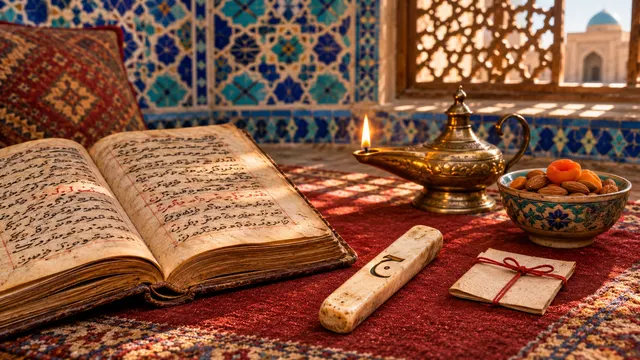
The Turkic Book of Omens
The oldest known Turkic falnama: throw a four-sided die marked with the letters alif, bā, jīm and dāl three times, and read what the book says to you: "O seeker of the omen…"
Consult the oracle →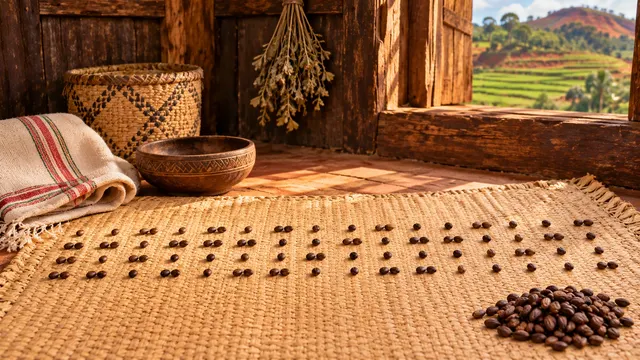
The Sikidy
Awaken the sikidy, count off handfuls of seeds in twos, and raise sixteen columns named Wealth, Woman, Enemy, Road and God. Your answer lies where your figure appears again.
Consult the oracle →Ancient Oracles of Asia
From Han China and Japan to India, Tibet and the Silk Road, people counted yarrow stalks or prayer beads, threw small dice or temple blocks, and read the answers in books of omens. Seven are ready; the others are coming to the app.
The Canon of Supreme Mystery
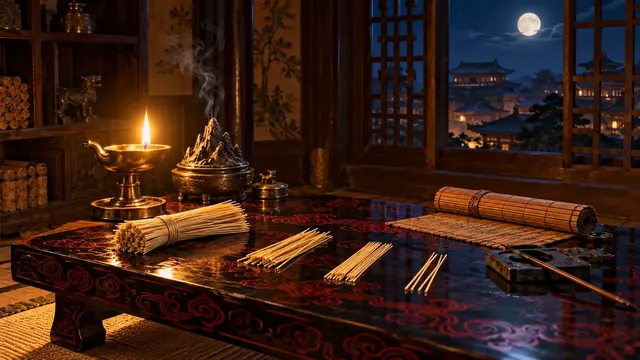
Yang Xiong's Taixuan jing, the "other I Ching": count 33 yarrow stalks in threes to build one of 81 four-line figures of Heaven, Earth and Man. The time of day chooses which of its nine verses speak to you.
Consult the oracle →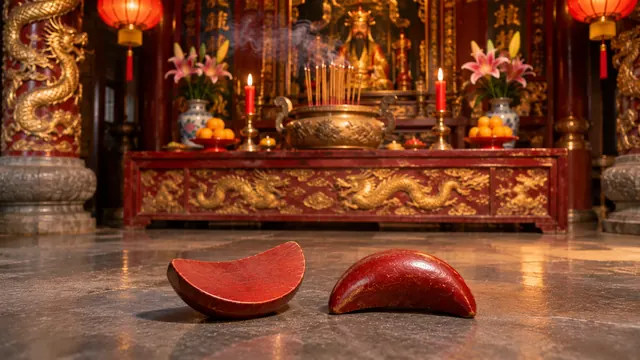
The Moon Blocks
Two red crescent blocks dropped before a temple god: one flat face and one round means yes, both flat means the god laughs, both round means no.
Consult the oracle →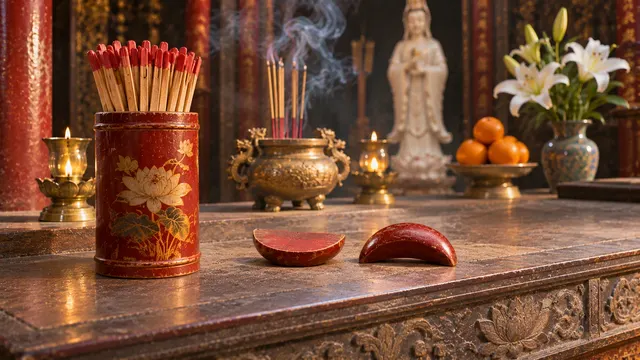
The Guanyin Lots
Kau chim: shake the bamboo cylinder until one stick falls out, ask Guanyin with the moon blocks if it is yours, and read one of 100 temple poems, each named after an old story.
Consult the oracle →
The Hundred Lots
Omikuji: shake the six-sided box until a numbered stick slides out, open its drawer and read your paper, one of 100 old Chinese poems. If it is bad luck, tie it up and leave it behind.
Consult the oracle →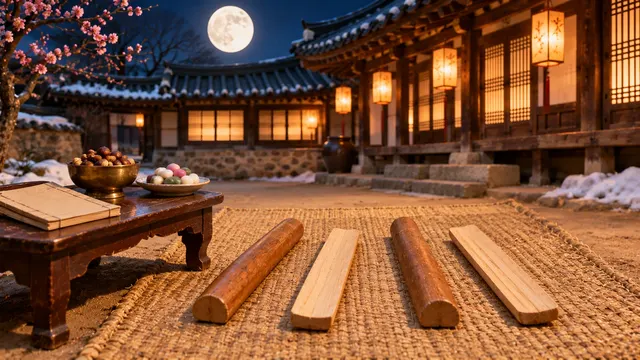
The Yut Sticks
Yutjeom: throw the four sticks of the New Year game three times, count the flat faces, and read one of 64 old sayings about your year, like "a rat gets into the granary".
Consult the oracle →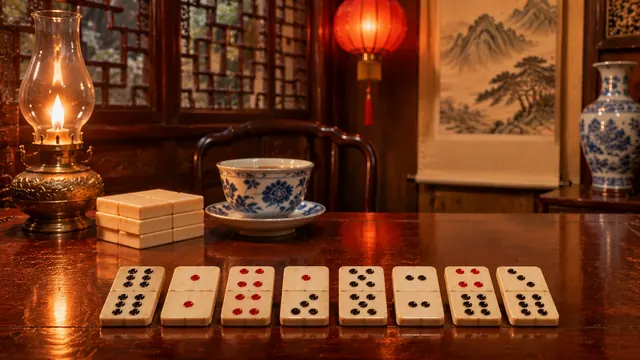
The Ivory Tiles
Lay out all 32 Chinese dominoes in a row, take away the lucky groups and count their worth. Three deals point to one of 125 answers.
Consult the oracle →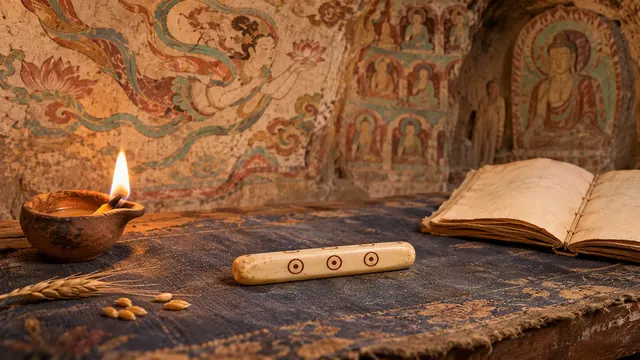
The Dice of Maheśvara
Throw a four-sided die three times. Each set is named for a god, from Brahmā and Guanyin to the Queen Mother of the West.
Consult the oracle →The Tibetan Dice of the Gods
Throw a four-sided die three times, and a god of old Tibet speaks: of snow peaks and blue lakes, lost horses, and the cuckoo calling to the thin sheep of spring.
Consult the oracle →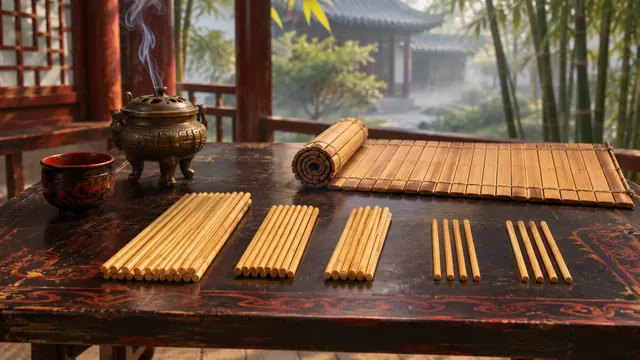
The Counting Rods
Split a bundle of bamboo rods into three piles and count them away in fours. One cast, read in three ancient books at once.
Consult the oracle →The Tibetan Dice of the Gods
Three dice, 64 throws, and in each a god speaks, like the god of the road. One of the oldest Tibetan books of fortune.
Coming later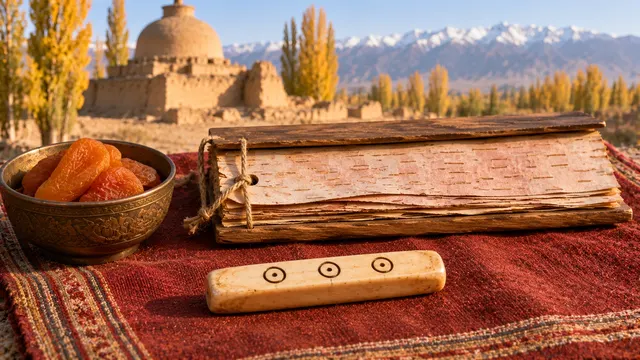
The Bower Manuscript Dice
From a birch-bark book found in a ruined stupa at Kucha: throw a long die three times, and read answers blessed by Indian gods.
Consult the oracle →The Book of Omens
The Irq Bitig, written in runes: 65 omens of horses, camels, falcons and khans, chosen by three dice.
Coming laterThe Rosary of Tārā
Hold your prayer beads, divide them, and count in threes. The goddess Tārā answers with one of nine images, like flowers on a dry tree.
Coming later